
Health & Nutrition
Canola oil is healthy.
Low in saturated fat.
Canola oil has the least amount of saturated fat of any common culinary oil – half that of olive oil and soybean oil and is also free of trans fat. In fact, the Food and Drug Administration in the United States authorized a qualified health claim *Limited and not conclusive evidence suggests that eating about one and a half tablespoons (19 grams) of canola oil daily may reduce the risk of coronary heart disease due to the unsaturated fat content in canola oil. To achieve this possible benefit, canola oil is to replace a similar amount of saturated fat and not increase the total number of calories you eat in a day. for canola oil for its potential to reduce the risk of coronary heart disease. Swapping in 1½ tablespoons per day of canola oil for the same amount of saturated fat is all it takes.
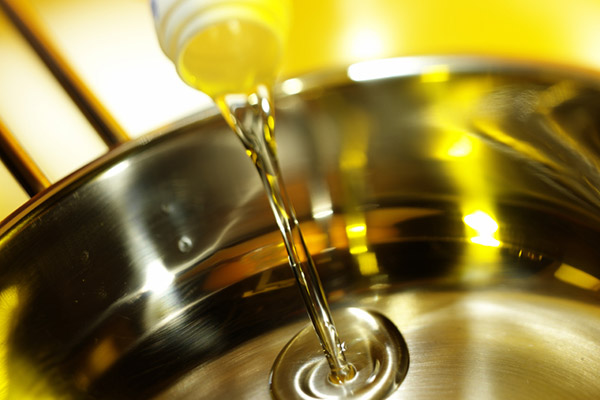

Provides essential fatty acids.
Rich in monounsaturated fats.

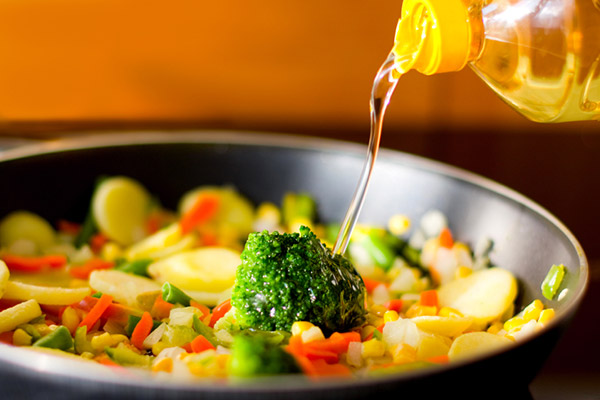
Good source of vitamin E.
One serving of canola oil provides a good amount of vitamin E, a dietary antioxidant that is lacking in the diets of many Americans. Adding fats and oils like canola oil to your veggies helps you absorb fat-soluble vitamins.
Learn more about the nutritional benefits of canola oil.
References:
1.U.S. Department of Health and Human Services and U.S. Department of Agriculture. 2020-2025 Dietary Guidelines for Americans. 9th Edition. December 2020. Available at https://www.dietaryguidelines.gov/
2Sacks FM, Lichtenstein AH, Wu JHY, et al. Dietary Fats and Cardiovascular Disease. A Presidential Advisory from the American Heart Association. Circulation. 2017.136;e1-e23. Available at https://www.ahajournals.org/doi/full/10.1161/CIR.0000000000000510
Find canola oil recipes.
Canola oil is used in kitchens around the world, well liked for being healthy, affordable and versatile.


